Author: Charlotte Hunt

  • Why Customer Experience Matters More Than Ever in Today’s Digital Landscape

    Why Customer Experience Matters More Than Ever in Today’s Digital Landscape

    In an era where consumers have endless options at their fingertips, the businesses that stand out aren’t always the ones with the lowest prices or the flashiest marketing. Increasingly, it’s the companies that prioritize customer experience that win long-term loyalty and consistent growth.

    From first impressions to after-sales support, how a business interacts with its customers has become just as important as what it sells. A seamless, supportive, and human customer journey builds trust, encourages repeat business, and turns customers into brand advocates.

    Customer Expectations Are Changing

    Digital transformation has changed the game. Consumers now expect real-time responses, personalised support, and consistent service across all channels—whether they’re sending a quick social media message or making a call to customer support.

    In fact, research shows that over 70% of consumers say they’ve made a purchase decision based on the quality of customer service they received. With expectations this high, even a single poor interaction can lead to lost business, negative reviews, or damaged reputation.

    The Evolving Role of Contact Centres

    Contact centres are no longer just places where phones ring off the hook. They’ve evolved into sophisticated, multi-channel support hubs where customer interactions happen across phone, email, live chat, SMS, and social media. More importantly, they’re an extension of a brand’s values and voice.

    Every interaction is a chance to make a lasting impression—whether it’s resolving an issue, answering a question, or simply showing that someone is listening.

    To meet these rising demands, businesses are increasingly choosing to work with experienced customer support providers who understand the complexity of modern customer journeys.

    The Value of Human-Centred Support

    While automation and AI-driven solutions play a growing role in handling simple queries, many customers still prefer speaking to a real person when it comes to more complex or sensitive matters. That’s where skilled, empathetic agents make a real difference.

    Empathy, active listening, and quick problem-solving are all human qualities that build trust and loyalty. These skills can turn a negative experience into a positive one—something no chatbot can fully replicate.

    Technology That Enhances, Not Replaces

    The most effective customer support strategies blend human interaction with smart technology. From CRM tools that provide instant access to customer history, to AI-assisted analytics that help identify patterns in customer behaviour, the right tech empowers teams to respond faster and more effectively.

    But technology is only part of the equation. It’s how businesses use it to support and enhance the human touch that truly matters.

    Local Knowledge, Global Standards

    More and more businesses are recognising the benefits of working with local contact centres. Local teams not only offer cultural understanding and clear communication, but they’re also aligned with regional compliance standards—especially when it comes to data protection and privacy.

    For organisations based in the UK or serving UK customers, working with a trusted Scotland contact centre like ESP Group ensures you’re offering high-quality support that reflects local values while maintaining international standards.

    Why Outsourcing Makes Sense

    Outsourcing customer service isn’t just about saving costs. It’s a strategic decision that can lead to better performance, higher customer satisfaction, and access to a wider range of skills and technologies. A professional contact centre partner provides scalability, continuity, and a deep understanding of what customers expect—especially during peak seasons or periods of rapid growth.

    Whether you’re a start-up looking to build strong customer relationships from day one, or an established business aiming to improve service quality, outsourcing can help you meet your goals more efficiently.

    Building Loyalty Through Service

    At the heart of every customer relationship is trust—and that trust is built through consistent, positive experiences. Businesses that deliver thoughtful, timely, and effective support don’t just resolve problems—they create fans.

    As competition intensifies across every industry, customer experience will continue to be the key differentiator. By investing in people, processes, and the right support partnerships, companies can set themselves apart and build lasting relationships that drive long-term success.

  • Reasons Why Your Company Should Start with OKRs Now

    Reasons Why Your Company Should Start with OKRs Now

    The modern, highly dense workplace environment has outgrown the buzzword label, and now, the concept of OKRs brings clarity, direction, and a sense of collective goal to the distributed individual efforts and converts them into coordinated, purposeful advancement to make a tangible change in the organization. Integrated properly, OKRs can make organizations shift their state of being busy to being productive.

    Understanding OKRs Beyond the Buzz

    The idea of OKRs is simple but revolutionary. In addition to goal-setting, it requires the effort of each person to be targeted to a common vision, which promotes transparency, focus, and unity. It transforms communication, collaboration, and motivation – not like a magic wand, but like a guide steering organizations consistently toward their right direction.

    Why Taking a Course on OKR Matters

    The thing is now, the following: OKRs sound easy when it comes to paper, yet, when it comes to practice, they may be complex. That is where an OKR course comes in. A well-designed training does not just tell you what OKRs are, it shows you how to make them work in your unique organization. This is where Wave Nine comes into the picture. As one of the leading OKR consulting firms, Wave Nine focuses on the human side of OKRs.

    Their workshops are interactive, reflective, and deeply people-centric. Instead of handing you another corporate playbook, they help you reconnect with your “why.” Their philosophy is simple: OKRs succeed when human comes first, process second, creating goals that are measurable yet deeply meaningful.

    It is not about rigid systems; it is about creating alignment that feels natural. And that is what makes their approach so refreshing in today’s world of overcomplicated management frameworks.

    Why You Should Start Now, Not Later

    Let us be honest, waiting for the “right time” to start with OKRs is just another way of putting it off. There is never a perfect moment. OKRs lead to clarity during uncertainty. This is why the appropriate moment to start with OKRs has come.

    They add order to a very hectic world, give it focus and orientation. OKRs allow teams to concentrate on what is really important, bringing all parties involved, from interns to the CEO, together through a common vocabulary of quantifiable objectives and quantifiable progress that delivers actual benefit.

    The Payoff: Alignment, Clarity, and Momentum

    What you gain from OKRs goes beyond strategy; it is emotional, too. There is no longer any confusion in understanding what success is and could be a gauge of their contribution to it. You have the sense of this little momentum of improvement as one of your outcomes gets brought nearer; it is inspiring, uplifting, and infectious.

    Sure, OKRs take time to master. You will make mistakes, set too many, too vague, or too safe. But that is all a part of the journey. There is no perfection desired; there is direction. When your team is rowing in rhythm and the same north star, then you know you are really winning.

    So, start now. Take that OKR course. Learn, adapt, and grow. Since you know when you have achieved the power of alignment, you will not understand how you ever lived without alignment.

  • Beyond Rankings: Project-Specific Criteria for Vetting Top Offshore Development Companies

    Beyond Rankings: Project-Specific Criteria for Vetting Top Offshore Development Companies

    Effective offshore partnerships need careful evaluation. A glossy ranking rarely highlights project reality. Many firms look good on paper but fail under pressure. A team may lack communication skills or compliance readiness. A wrong decision can slow growth and waste resources. Careful vetting builds trust and avoids hidden risks. Several project-specific checks can help. Each step ensures long term collaboration. Evaluation does not end with cost or size. It extends to time zones, language, credentials, and data security. Every project gains clarity with structured selection. These measures safeguard outcomes and maintain strong client confidence.

    Time Zone Overlap Matters

    Time zone gaps limit steady communication. Delays grow when teams are far apart. Overlap in working hours is vital. A shared schedule reduces missteps. It also speeds up feedback during key phases. Companies with flexible shifts add value. They offer immediate responses to evolving needs. Regular overlap boosts productivity and reduces anxiety. It also maintains a smoother flow of updates. Therefore project reviews happen faster and easier. Leaders can act quickly on new insights. Progress reports also carry less lag. A schedule that supports overlap creates stability. It also builds a spirit of alignment across global teams.

    Language Proficiency Builds Clarity

    Clear language closes gaps in understanding. Offshore talent often excels technically but may struggle with words. A single misused word can trigger costly confusion. Consistent and simple language skills add strength. They ensure detailed requirements are understood. They also help during demos or updates. Many firms test skills through real time workshops. Effective communication prevents recurring project delays. Language gaps can lead to missed quality checks. Strong proficiency signals better teamwork habits. It nurtures confidence in every discussion. It also reduces stress for managers. A team with fluent speech builds trust faster. Clarity forms the foundation of lasting cooperation.

    Certifications Show Proven Standards

    Verified credentials prove process strength and discipline. A certified company follows global frameworks. Formal training creates consistent coding quality. It also demonstrates a culture of accountability. Certifications also reveal compliance with secure practices. They show commitment to ongoing learning. Reviewers can check for valid credentials during audits. This proof helps avoid risky assumptions. It also removes doubt on technical strength. A certified partner respects strict quality checks. Clients benefit from higher performance consistency. Auditors value structured processes more than verbal claims. Teams with certifications improve long term project health. Credentials also prevent disputes over quality standards later.

    Holistic Vetting Strengthens Outcomes

    Project success depends on more than price. Careful vetting ensures consistent delivery and accountability. The Best Offshore Development Companiesfollow clear standards. They offer strong time overlap and fluent dialogue. They also carry recognized certifications. They keep intellectual property secure at every stage. Each factor builds confidence step by step. True value comes from measured checks not rankings. A thoughtful review saves money and time. It also builds lasting partnerships built on trust. Every organization should prioritize project fit over glamour. Careful checks today create smooth results tomorrow. The right choice ensures stable growth over years.

  • How Medical Insurance Protects Your Future: What You Need to Know

    How Medical Insurance Protects Your Future: What You Need to Know

    In 2025, medical insurance has evolved into a critical component of financial planning. With escalating healthcare costs, longer life expectancies, and increasing prevalence of lifestyle diseases, securing the right medical insurance is more important than ever. This guide explores the key components of medical insurance, emerging trends, and practical tips to help you make informed decisions that safeguard your health and financial future.

    Key Components and Types of Medical Insurance

    When considering medical insurance, you’ll encounter several features and policy types:

    • Sum Insured / Cover Limit: The maximum amount the insurer will pay during a claim. Opting for a higher sum insured provides better protection against escalating healthcare costs.
    • In-Patient Hospitalisation (IPD) Cover: Covers expenses related to hospital stays, surgeries, room rent, ICU charges, and more.
    • Out-Patient Department (OPD) Cover: Covers expenses for doctor visits, diagnostic tests, and medicines without full hospitalisation. Useful for minor ailments or regular check-ups.
    • Pre-Existing Conditions & Waiting Periods: Conditions like diabetes or heart disease often have waiting periods (2–4 years) before coverage begins.
    • Critical Illness and Disease-Specific Riders: Offer lump-sum payments for illnesses such as cancer, heart attack, or stroke.
    • Maternity, Dental, and Mental Health Benefits: Some plans include or allow optional riders for maternity, dental treatments, psychiatric counselling, and mental health support.

    What Has Changed in 2025 — Trends to Be Aware Of

    The medical insurance landscape in India has witnessed significant developments in 2025:

    • Mental Health & Wellness Covers: Policies increasingly include counselling, telemedicine, and wellness checks as part of health insurance plans.
    • Inflation Shield Add-Ons: Some plans automatically increase the sum insured annually, helping you keep up with rising medical costs.
    • Digital Claims & Cashless Network Expansion: More hospitals are empanelled, with app-based claim processing, tele-consultations, and remote policy servicing.
    • Flexible Riders & Add-Ons: Options like OPD cover, maternity, dental, and critical illness insurance riders are more modular, allowing customization.

    How to Choose Medical Insurance Wisely

    Selecting the right medical insurance involves careful consideration:

    • Evaluate Actual Needs: Consider factors like age, health history, and family size. If you expect frequent OPD visits or regular tests (e.g., for chronic conditions), OPD cover is important.
    • Pick a Sufficient Cover Limit: Don’t underestimate. For metro hospitals, ₹10 lakh cover is increasingly seen as basic. For cities with high costs, even ₹20-25 lakh may be considered.
    • Look At Waiting Periods & Exclusions Carefully: Read what diseases or conditions are excluded, what waiting period applies, and when coverage begins.
    • Check Network Hospitals for Cashless Treatment: A wide hospital network reduces out-of-pocket upfront expenses.
    • Check Co-payment / Deductible Clauses: Some medical insurance policies ask you to share a portion of the cost; see how this affects your total expected outlay.
    • Renewability & Lifelong Protection: Ensure the policy offers lifetime renewability, especially as you age; health risks increase over time.

    Conclusion

    Medical insurance and family health insurance are essential in today’s environment of rising healthcare costs. Investing in the best health insurance plans or a well-designed medical insurance plan now ensures financial security, access to quality care, and peace of mind. With the right sum insured, flexible riders, and modern policy features, you can protect your health and your family without letting medical expenses erode your savings or future plans.

  • Steady supervision keeping projects on track with fewer costly mistakes

    Steady supervision keeping projects on track with fewer costly mistakes

    Big building plans carry equal parts excitement and risk. Owners imagine the final result, but the road to get there is filled with moving parts. Without discipline, even the best ideas can stall. Oversight keeps each stage controlled, from the first drawing to the last inspection. That is why lakewood general contracting in grand rapids often comes up in conversations about cost savings and reliable timelines.

    Oversight Practices That Save Time and Money

    Discipline is not just about strict rules. It is about steady attention. Strong oversight means checking progress daily, reviewing budgets weekly, and making corrections before problems get bigger. This habit cuts wasted time. It also protects money that would otherwise slip away through errors or delays. One small mistake can cost thousands if ignored, but careful oversight often stops it at the source.

    Why Discipline Is the Key to Better Construction Flow

    Projects do not fail overnight—they fail in small steps. A skipped review, a late material order, or a misread plan. Discipline stops these issues early. Managers who insist on steady checks keep the flow intact. They make sure one small mistake does not snowball into weeks of lost progress. On-site, this looks like supervisors walking the site, asking hard questions, and refusing to let shortcuts pass.

    What Careful Monitoring Means for Investors and Clients

    Investors want numbers to match projections. Clients want the project to match their vision. Careful monitoring brings both. It shows costs are controlled, schedules are met, and quality is not ignored. Clients feel safer when someone is watching the details closely, not just hoping things work out. That reassurance may not show on paper, but it matters just as much as the final finish.

    Cost and Delay Factors Avoided Through Reliable Systems

    Reliable systems are simple but powerful:

    • Daily logs that track progress and issues
    • Consistent supplier communication to avoid last-minute shortages
    • Safety checks that reduce accidents and downtime
    • Clear reporting so owners know the real status

    These systems look ordinary, but together they stop money and time from draining away. A single missing report might not matter on day one, but after weeks it turns into confusion and wasted resources.

    Why Ambitious Plans Need More Oversight Than Simple Builds

    A small renovation may get by with casual checks. An ambitious build does not. Larger projects have more people, more moving parts, and more risk. Oversight becomes the anchor. It provides stability when pressure grows. It also shows clients that leadership is not just present, but fully engaged.

    Ambition alone does not finish a building. Success comes when oversight keeps costs steady and timelines realistic. With structured monitoring and disciplined practices, lakewood general contracting in grand rapids proves that even large goals can be met without losing control.

  • Unlocking Efficiency with the NTL Storage – Racking System

    Unlocking Efficiency with the NTL Storage – Racking System

    Introduction

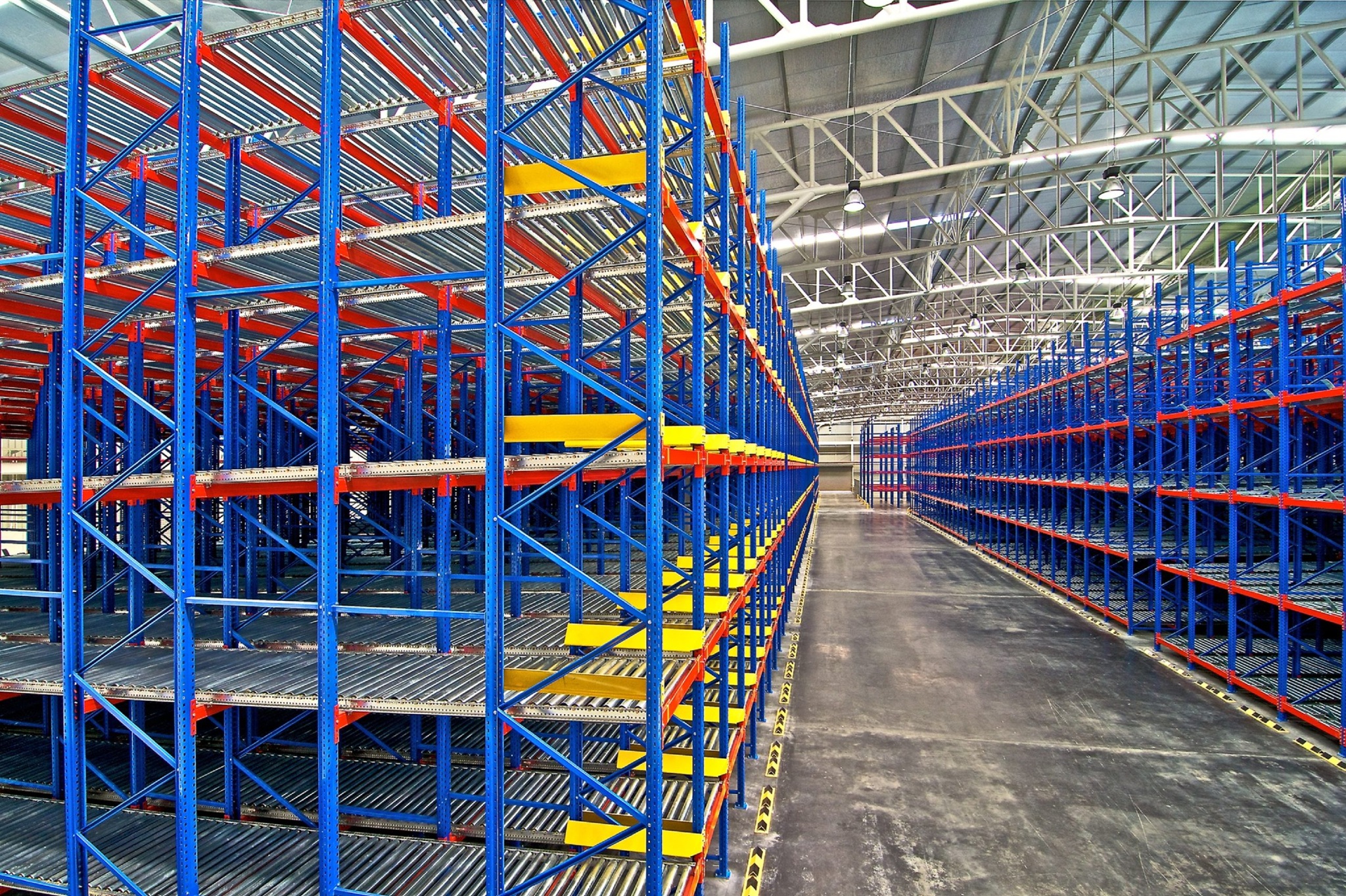
    The NTL Storage – Racking system is more than a structure of steel beams and shelves. It is a carefully designed solution that transforms the way warehouses function, making the most of vertical space while ensuring safety and order. In the vast story of human progress, even something as practical as racking becomes part of a larger narrative: the search for order amidst complexity, the pursuit of efficiency in a crowded world.

    Why Storage Demands Better Systems

    If we pause to consider the history of trade and industry, one theme emerges: growth brings challenges. Warehouses have always been places where abundance must be tamed, where goods must be stored safely, and where time is measured in seconds. Traditional storage methods left room unused and workers strained, but racking systems have rewritten that story.

    With racking, businesses can now:

    ·       Build upwards and make use of once-empty vertical space.

    ·       Enhance safety by securing goods within strong, stable structures.

    ·       Save time by making retrieval faster and more reliable.

    ·       Adapt easily to new needs, whether in size, weight, or variety of goods.

    A voice from Singapore’s logistics sector once reflected, “The NTL Storage – Racking system is not just about shelves, it is about creating a rhythm of order in a crowded environment.”

    Exploring the Different Types of Racking

    There is not one single way to design a racking system, just as there is not one single way to arrange the stars in a galaxy. Different designs suit different needs.

    ·       Selective pallet racking – offering direct access to each pallet, best for fast-moving stock.

    ·       Drive-in racking – providing dense storage when maximum capacity outweighs speed.

    ·       Cantilever racking – supporting pipes, timber, and long items that resist conventional shelving.

    ·       Mezzanine racking – creating additional levels above the floor, like building a new floor in the sky.

    Each system is an answer to a unique problem, demonstrating how even storage solutions can carry elegance in their design.

    Singapore and the Drive for Efficiency

    Singapore, where land is limited and trade is constant, provides a striking example of why racking matters. In such a dense urban setting, space becomes the most valuable resource. Warehouses here cannot afford inefficiency.

    One local expert observed, “With the NTL Storage – Racking system, Singapore has managed to turn its warehouses into places of precision, where every square metre has a purpose.”

    The Human Experience of Order

    At first glance, racking seems technical, but its impact is deeply human. A worker in a well-organised warehouse finds safety and clarity in their environment. A manager can oversee stock with less anxiety, confident that each product has its place. A customer receives goods faster and in better condition.

    Order, in its simplest form, shapes experience. The NTL Storage – Racking system brings order not only to shelves but to the daily lives of those who depend on them.

    Challenges in Design and Maintenance

    Of course, no system is free of challenges. Businesses considering racking must weigh several factors:

    ·       Initial investment – quality racking requires upfront cost.

    ·       Maintenance – inspections are needed to ensure lasting safety.

    ·       Flexibility – systems should adapt to growth and shifting needs.

    These challenges are not barriers but opportunities. They encourage businesses to think long-term, to view storage not as expense but as infrastructure, a foundation for growth and resilience.

    Sustainability and the Green Perspective

    As we confront the limits of our planet, efficiency in storage becomes more than financial. It becomes ethical. Racking allows existing spaces to hold more, reducing the need for new construction. It shortens retrieval times, lowering energy use. It demonstrates how even simple structures can be part of a sustainable approach to industry.

    A Singaporean warehouse leader once remarked, “The NTL Storage – Racking system is not just about stacking goods higher, it is about treading more lightly on the Earth.”

    Future Horizons in Racking Technology

    The future of racking will not be static. Just as our view of the cosmos expands, so too does our vision of warehouse systems. We are beginning to see:

    ·       Automation-ready racks designed for robotic picking systems.

    ·       Sensor-driven tracking that provides live inventory updates.

    ·       Customised structures shaped for unusual products or narrow spaces.

    These innovations will create warehouses that respond instantly to change, where order is not only maintained but continuously improved.

    Why Businesses Continue to Choose Racking

    In the end, businesses return to racking because it embodies resilience. It turns empty space into structure, chaos into order, uncertainty into predictability. The NTL Storage – Racking system is not a luxury but a necessity for companies that want to thrive in an ever-changing marketplace.

    It is chosen because it can grow with a business, adapt to new demands, and safeguard the people and products it supports. Like the unseen skeleton beneath the surface of every structure, it provides the strength that keeps everything else standing.

    Conclusion

    The story of racking is a story of transformation: from wasted space to purposeful design, from clutter to clarity, from inefficiency to elegance. Across Singapore and across the world, these systems form the backbone of modern logistics, enabling trade to move faster, safer, and smarter. The future will ask more of our warehouses, but the answer will remain the same. The path to order, safety, and sustainability will continue to be shaped by the NTL Storage – Racking system.

  • Capital Gains Tax: Better Understanding and Planning

    Capital Gains Tax: Better Understanding and Planning

    You might have to pay capital gains tax if you recently made money from the sale of an investment. When assets like stocks, bonds, precious metals, real estate, or other property are sold or presumed to be sold and are subject to capital gains tax, capital gains or losses are realized in Canada.

    Capital Gains: what are they?

    A capital gain occurs when you sell an asset that you own as capital property and that is held in a non-registered account for more than you paid for it.

    Finding the asset’s adjusted cost base (ACB) is the first step in calculating capital gains. The asset’s purchase price plus any other expenses, such as commissions or legal fees, is known as the ACB. Simply deduct your ACB from the selling amount, together with any costs or expenditures related to the asset’s sale. Your capital gain is any profit that remains.

    Reducing the Capital Gains Tax

    Make use of tax-sheltered or tax-free accounts

    Capital gains tax Canada can be avoided with the aid of a tax-free savings account or TFSA. Even after a gain is achieved, the income you receive from the majority of investments in a TFSA is not subject to taxes. Additionally, money taken out of a TFSA is typically not subject to taxes. Dividend income from American and foreign firms is a significant exception, as it may be liable to withholding tax. Please be aware that TFSAs have an annual contribution cap, and that if you exceed that cap, you will be taxed on the excess each month.

    Harvesting tax losses

    In Canada, you might be allowed to use net capital losses to offset taxable capital gains. This is called tax loss harvesting, and it lowers your overall tax burden. Any realized capital gains could be partially or entirely negated by lower-performing funds in a portfolio that produce a capital loss.

    Keep note of costs

    It can be beneficial to record any qualifying costs, such as management or legal fees that you incur when obtaining or retaining investments, as these could affect the adjusted cost basis (ACB) of your holdings. When some assets are sold or deemed sold for more than their ACB, capital gains tax is computed.

    Income from capital gains indicates that your investments are increasing in value. To achieve the optimum tax outcome, however, careful planning is necessary.

  • How OKR Software Can Supercharge Global Marketing Strategy

    How OKR Software Can Supercharge Global Marketing Strategy

    In today’s hyper-competitive global marketplace, marketing teams face constant pressure: align goals across borders, measure impact precisely, iterate fast. That’s where OKR (Objectives and Key Results) software comes in—a powerful tool to help companies like Big World Marketing translate high-level strategy into actionable results.


    What are OKRs?

    OKRs are a goal-setting framework built around two components:

    1. Objectives: Ambitious, qualitative statements of what you want to achieve (e.g. “Expand Big World Marketing’s brand awareness in Asia-Pacific”).
    2. Key Results: Measurable milestones that show progress toward the objective (e.g. “Increase organic traffic from APAC by 40% in Q2”, “Earn 5 media mentions in top marketing publications in Australia”).

    The combination of ambition (Objective) + measurable outcomes (Key Results) helps teams align, drive focus, and track impact over time.


    Why Marketing Teams (Especially Global Ones) Need OKR Software

    For a site like Big World Marketing, covering business, finance, marketing trends across geographies, OKR software brings multiple advantages:

    • Strategic alignment across teams and regions**: With marketing, e-business, franchise, finance, etc., each vertical or region can set OKRs that feed into global goals. OKR software centralizes that view so head office sees how Asia-Pacific, EMEA, Americas are contributing.
    • Focus on outcomes, not just tasks: Rather than counting articles published, OKRs push for real impact — traffic, engagement, conversion, leads. OKR tools help track metrics in dashboards, reminding teams what truly matters.
    • Transparency and accountability: Everyone can see what colleagues are working on; progress is visible. This fosters ownership and helps reduce silos.
    • Faster feedback loops & adaptability: Global marketing is dynamic—trends emerge, algorithms change, competition shifts. Using OKR software you can review progress (weekly, monthly), adapt Key Results, or pivot objectives when needed.
    • Better resource allocation: When you know which global marketing objectives are struggling, you can reassign budget, personnel, ad spend to where the impact is higher.

    Features to Look for in OKR Software

    When selecting OKR software for an organization operating like Big World Marketing, these features can make the difference:

    • Goal hierarchy & roll-ups: Ability to set company-level OKRs, then department, regional, team, individual OKRs that roll up visually.
    • Integration with metric sources: Connect with Google Analytics, SEO tools, social media dashboards, CRM, email marketing platforms. Automatic metrics help reduce manual tracking.
    • Dashboard & progress visualisation: Charts, traffic lights, % complete, confidence scores. Easily accessible to all stakeholders.
    • Check-in / update cadence & reminders: Support weekly or biweekly check-ins, reminders for overdue updates, and the ability to comment on progress.
    • Collaboration & discussion: Ability for team members to annotate, discuss key results, share roadblocks; also visibility of who owns what.
    • Permissioning / role-based access: Allow global leaders, regional heads, marketers to have different views or editing rights.
    • Scalability: As the organization grows in geography or verticals, the tool should handle many teams and OKRs without becoming unwieldy.

    How OKR Implementation Might Look for Big World Marketin

    Here’s a hypothetical plan of implementing OKR software at Big World Marketing:

    PhaseKey Activities
    Phase 1 – Strategy & EducationWorkshop with leadership to set top-level marketing objectives (brand awareness, lead generation, content quality). Train region heads and teams on what good OKRs look like.
    Phase 2 – Tool SelectionEvaluate OKR software options (free trial or POCs) focusing on integrations with analytics / content platforms; test user-friendliness.
    Phase 3 – Rolling out RegionallyStart with one region (say Asia-Pacific) to pilot: set OKRs, track two quarters. Gather learnings.
    Phase 4 – Full DeploymentRoll out globally. Periodic reviews (monthly, quarterly). Leadership uses dashboards to assess health; make adjustments.
    Phase 5 – Continuous ImprovementRefine Key Results to better capture impact. Incorporate feedback. Possibly adjust objective definitions.

    Challenges & How OKR Software Helps Overcome Them

    ChallengeHow OKR Software Helps
    Ambiguous goals or misalignmentClear definition and visibility so everyone knows what the company, region, and team are aiming for.
    Overload of metrics / vanity KPIsSoftware makes it easier to pick only those Key Results that matter; unnecessary metrics are deprioritized.
    Loss of momentum or signalCheck-in reminders and dashboards keep teams accountable and nudge follow-through.
    Scaling across time-zones / culturesOKRs unify the way goals are set and measured globally, giving consistent language and timelines.


    Conclusion

    For a marketing organization like Big World Marketing, OKR software isn’t just another tool—it can be the backbone of how strategy is executed globally. When implemented well, it ensures that marketing efforts in different verticals (business, finance, tech) and geographies are pulling in the same direction. The outcome? Better alignment, more impact, and growth that is measurable—not just hopeful.

    To learn more about OKR software, watch our video:

  • Professional Employer Organization (PEO) Services in Libya

    Professional Employer Organization (PEO) Services in Libya

    Expanding operations into Libya presents a unique blend of opportunities and challenges. The country has vast natural resources, particularly in oil and gas, but its regulatory and socio-political landscape requires careful navigation for foreign businesses. For HR professionals and executives, engaging a Professional Employer Organization in Libya offers a practical way to ensure compliance, streamline operations, and build a local workforce without the burden of establishing a legal entity.

    Understanding PEO Services in Libya

    A Professional Employer Organization (PEO) functions as a co-employment partner, managing essential HR responsibilities while enabling companies to focus on their core business objectives. The PEO legally employs workers on behalf of the client, assuming administrative and compliance duties while the client retains control over day-to-day operations.

    Core responsibilities of a PEO in Libya include:

    • Drafting compliant employment contracts aligned with Libyan labor law
    • Managing payroll in local currency and ensuring tax compliance
    • Administering statutory and voluntary employee benefits
    • Overseeing social security and pension contributions
    • Supporting hiring, onboarding, and employee lifecycle management

    This model is particularly attractive to organizations that need speed, flexibility, and compliance when entering the Libyan market.

    Employment Regulations in Libya

    Libyan labor law regulates employment conditions, contracts, and employee protections. Companies must be aware of local compliance obligations to avoid penalties and maintain stable workforce relations.

    Key regulatory considerations include:

    • Employment contracts:Written agreements are mandatory, covering wages, working hours, and benefits.
    • Working hours:Standard hours are regulated by law, with overtime subject to premium rates.
    • Leave entitlements:Employees are entitled to annual leave, public holidays, and maternity leave.
    • Termination rules:Dismissals must be justified, and severance obligations depend on the length of service.
    • Union and worker rights:Workers are allowed to join unions and participate in collective bargaining.

    A PEO ensures these requirements are consistently applied, safeguarding both employer and employee rights.

    Payroll and Taxation in Libya

    Payroll management in Libya is complex due to tax obligations, social security contributions, and currency considerations.

    Key aspects of payroll include:

    • Income tax:Employers must deduct income tax at source and remit to the authorities.
    • Social security contributions:Contributions cover pensions, healthcare, and other statutory benefits.
    • Currency considerations:Payroll is typically conducted in Libyan dinar (LYD), but foreign exchange restrictions must be considered.
    • Reporting obligations:Employers are required to maintain accurate records and submit timely reports.

    Through PEO services, companies can avoid compliance risks, administrative errors, and costly penalties.

    Benefits of Using PEO Services in Libya

    Engaging a PEO provides tangible advantages for organizations seeking to establish or scale operations in Libya.

    Strategic benefits include:

    • Rapid market entry:Hire employees without setting up a local entity.
    • Compliance assurance:Ensure adherence to labor and tax laws.
    • Cost efficiency:Reduce overhead by outsourcing HR administration.
    • Flexibility:Scale the workforce up or down based on business needs.
    • Local knowledge:Leverage expertise on Libyan employment practices and cultural nuances.

    These benefits are crucial in a country where regulatory frameworks can shift quickly and where compliance missteps can have significant repercussions.

    PEO vs. Employer of Record (EOR) in Libya

    While often used interchangeably, PEO and Employer of Record (EOR) models differ in structure and scope.

    • PEO services:Operate in a co-employment relationship where both the PEO and client share employer responsibilities.
    • EOR services:The EOR acts as the sole legal employer of staff, fully managing contracts and compliance.

    In Libya, organizations testing the market or managing small teams often prefer EOR services. Those with a longer-term vision may choose a PEO for more integrated HR collaboration.

    Industries Leveraging PEO Services in Libya

    Libya’s economy, while heavily dependent on oil, also offers opportunities in other sectors. PEO solutions are well-suited to industries requiring agility and compliance.

    Industries that benefit most include:

    • Oil and gas:Foreign companies rely on PEOs to deploy local and expatriate talent compliantly.
    • Construction and infrastructure:Project-based staffing often demands flexible workforce management.
    • NGOs and development organizations:Many require compliant employment structures for local operations.
    • Telecommunications and technology:Growing sectors benefit from fast and compliant talent acquisition.
    • Logistics and services:Workforce outsourcing simplifies administrative burdens.

    A PEO partner allows these industries to remain compliant while scaling operations effectively.

    HR Challenges in Libya

    Managing HR in Libya comes with challenges that require proactive solutions.

    Notable challenges include:

    • Complex and evolving labor laws
    • Restrictions on currency exchange and payroll management
    • Navigating work permits and visa requirements for expatriates
    • Aligning compensation with both market standards and statutory requirements
    • Managing employment risks in a volatile socio-political environment

    A PEO mitigates these risks by providing consistent compliance support and reliable administrative processes.

    Selecting the Right PEO Partner in Libya

    Choosing the right PEO provider is crucial to successful market entry.

    Selection criteria include:

    • Demonstrated expertise in Libyan labor laws and taxation
    • Transparent service agreements and cost structures
    • Technology-enabled payroll and HR systems
    • Experience managing both local and expatriate employees
    • Capacity for regional support across North Africa and the Middle East

    A reliable partner provides peace of mind, enabling organizations to focus on strategy and growth.

    Strategic Importance of PEO Services in Libya

    Libya is gradually re-emerging as a business destination, especially in sectors like oil, construction, and services. However, compliance, risk management, and administrative efficiency remain critical to success.

    Current trends influencing PEO adoption include:

    • Renewed foreign interest in the energy sector
    • Expanding infrastructure development projects
    • Increased presence of NGOs and humanitarian organizations
    • Growing demand for compliant workforce solutions amid evolving regulations

    By offering HR expertise, payroll efficiency, and compliance assurance, PEOs empower companies to achieve sustainable operations in a challenging environment.

    Conclusion

    Partnering with a Professional Employer Organization in Libya provides businesses with the agility and compliance needed to succeed in this complex market. From payroll and benefits administration to contract management and legal compliance, PEO services reduce risks and enhance operational efficiency. For HR professionals and executives, PEO solutions represent a strategic pathway to building a compliant, resilient, and scalable workforce in Libya.

  • Trends in Trade Show Booth Design to Watch for in 2025

    Trends in Trade Show Booth Design to Watch for in 2025

    Trade show booth design is constantly evolving, shaped by new technologies, shifting attendee expectations, and broader cultural trends. Staying ahead of these changes can give your brand a competitive edge and help you create experiences that truly resonate.

    As we move through 2025, here are the key trade show booth design trends you need to watch — and consider incorporating into your next event.


    1. Sustainability Takes Center Stage

    Eco-friendly materials and sustainable design are no longer optional — they’re expected. Brands are prioritizing:

    • Reusable, modular booth components
    • Biodegradable or recycled materials
    • Digital collateral over printed brochures

    Attendees appreciate and remember companies that demonstrate genuine environmental responsibility.


    2. Immersive and Experiential Booths

    Static displays are out; immersive experiences are in. Expect to see:

    • Virtual reality (VR) and augmented reality (AR) demos
    • Multi-sensory environments with sound, lighting, and scent
    • Interactive storytelling zones

    These elements engage visitors on a deeper level, encouraging longer dwell times and better recall.


    3. Hybrid and Digital Integration

    With remote and hybrid events on the rise, booths are integrating digital components to reach broader audiences. Look for:

    • Live streaming from the booth
    • Virtual booth tours for online attendees
    • Real-time social media walls and user-generated content

    This hybrid approach extends your event impact beyond the physical floor.


    4. Minimalist and Flexible Design

    Clean lines, open spaces, and versatile modular setups dominate. This style:

    • Supports easy customization and reconfiguration
    • Creates a welcoming, uncluttered visitor experience
    • Focuses attention on key messages and products

    Less really is more in 2025.


    5. Personalization and Data-Driven Engagement

    Tailored experiences based on attendee data are gaining traction. Features include:

    • AI-powered recommendations and demos
    • Personalized giveaways or content
    • Interactive kiosks that adapt to visitor preferences

    Data fuels smarter conversations and stronger connections.


    6. Wellness-Focused Spaces

    Health and wellness are influencing booth design, with spaces offering:

    • Clean air solutions and natural elements
    • Comfortable seating with ergonomic design
    • Areas for quiet, focused conversations away from the bustle

    These zones show care for attendee wellbeing — an appreciated touch.


    Final Thoughts

    The best trade show booths in 2025 will combine sustainability, technology, personalization, and thoughtful design to create memorable, impactful experiences. Keeping these trends in mind will help your brand stay relevant and maximize your event ROI.

    If you want to future-proof your trade show presence with cutting-edge design, we’re here to help. Let’s make your next booth a standout success. We recommend ExpoMarketing.