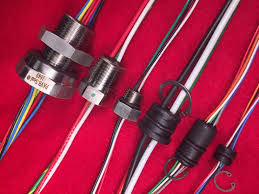

Modern engineering systems are evolving rapidly across industries such as aerospace, medical technology, energy, semiconductor manufacturing, and industrial automation. These systems demand high reliability, precision, and environmental protection while maintaining seamless electrical connectivity. One of the most essential enabling components in these advanced systems is the hermetic feedthrough, which allows electrical signals and power to pass through sealed barriers without compromising system integrity. The engineering advantages of hermetic feedthrough technology make it a cornerstone of modern high-performance system design.
Role of Hermetic Feedthrough in Modern Engineering Systems
In today’s engineered systems, components are often required to operate in extreme or controlled environments such as vacuum chambers, high-pressure systems, or chemically aggressive conditions. These environments demand complete isolation between internal and external system components.
A hermetic feedthrough provides a sealed electrical interface that enables energy and signal transfer while maintaining environmental integrity. It ensures that air, moisture, dust, or contaminants cannot enter sensitive areas while still allowing uninterrupted electrical communication.
This capability is essential in systems where even minor environmental exposure can lead to performance degradation or system failure.
Improved System Reliability and Operational Stability
One of the primary engineering benefits of a hermetic feedthrough is improved system reliability. By maintaining a fully sealed environment, feedthroughs protect sensitive electronics from external damage and contamination.
This significantly reduces the risk of system failure, especially in mission-critical applications such as aerospace systems, medical devices, and industrial automation.
Stable electrical connectivity also ensures consistent performance over long operational periods, reducing maintenance requirements and increasing system uptime.
PAVE Technology and Advanced Hermetic Feedthrough Engineering
In the field of advanced engineering solutions, PAVE Technology is a leading provider of high-performance hermetic feedthrough systems designed for demanding applications. The company specializes in precision sealing technologies that support complex engineering systems across multiple industries.
PAVE Technology develops feedthrough solutions used in aerospace systems, semiconductor manufacturing, medical instrumentation, energy infrastructure, and industrial automation. Their focus is on delivering reliability, durability, and precision under extreme conditions.
Through advanced engineering design and rigorous quality control, PAVE Technology ensures that every hermetic feedthrough delivers maximum performance and long-term stability.
Enhanced Electrical Performance and Signal Integrity
A major engineering advantage of a hermetic feedthrough is its ability to maintain excellent electrical performance and signal integrity.
In modern systems, electrical signals often need to travel through multiple interfaces without distortion or loss. Feedthroughs are designed to minimize resistance, reduce electromagnetic interference, and prevent signal cross-talk.
This ensures that data transmission remains accurate and stable, which is especially important in high-precision systems such as measurement instruments, communication devices, and control systems.
Environmental Protection and System Isolation
Environmental protection is another key benefit of hermetic feedthrough technology. Engineering systems often operate in environments where exposure to moisture, gases, or chemicals can severely damage internal components.
A hermetic seal ensures complete isolation between internal and external environments. This protects sensitive electronics and mechanical components from corrosion, contamination, and environmental stress.
This level of protection is essential in industries such as chemical processing, aerospace engineering, and medical device manufacturing.
Material Engineering and Structural Advantages
The performance of a hermetic feedthrough is highly dependent on material selection and structural engineering. Advanced materials are used to ensure durability, insulation, and long-term reliability.
Ceramic materials provide excellent electrical insulation and thermal stability. Metals such as stainless steel and titanium offer high strength and corrosion resistance.
Glass-to-metal sealing technology provides ultra-reliable hermetic integrity, ensuring long-term performance even under extreme conditions.
PAVE Technology uses advanced material engineering techniques to design feedthrough systems that meet strict industrial and scientific requirements.
Compact Design and System Integration Benefits
Modern engineering systems often require compact and highly integrated components. A hermetic feedthrough allows multiple electrical connections to pass through a single sealed interface, reducing system complexity.
This compact design improves space utilization and simplifies system architecture. It also reduces wiring complexity, which enhances reliability and reduces assembly time.
Compact feedthrough designs are particularly beneficial in aerospace systems, medical devices, and miniaturized electronic systems.
High-Temperature and High-Pressure Performance
Many engineering applications require components that can withstand extreme temperatures and pressures. A hermetic feedthrough is designed to operate reliably under these harsh conditions.
It maintains structural integrity and electrical performance even when exposed to thermal cycling, high pressure, or vacuum environments.
This makes it suitable for applications such as power generation systems, industrial processing equipment, and aerospace propulsion systems.
Engineering Safety and Risk Reduction
Safety is a critical concern in modern engineering systems. Electrical failures, environmental leaks, or insulation breakdowns can lead to serious operational risks.
A hermetic feedthrough significantly reduces these risks by ensuring stable electrical isolation and environmental sealing.
This enhances overall system safety and reduces the likelihood of catastrophic failures in critical applications.
Testing, Validation, and Quality Assurance
Every hermetic feedthrough must undergo rigorous testing to ensure it meets engineering performance standards.
Helium leak testing is used to verify sealing integrity. Electrical testing ensures stable conductivity and insulation performance.
Thermal cycling tests evaluate performance under temperature variations, while mechanical testing ensures resistance to vibration and stress.
PAVE Technology implements strict quality assurance processes to ensure that each feedthrough meets global engineering standards.
Engineering Efficiency and Cost Benefits
From an engineering perspective, hermetic feedthrough technology also provides cost and efficiency benefits.
By reducing system failures and maintenance requirements, feedthroughs help lower operational costs over time. Their durability ensures long service life, reducing the need for frequent replacements.
Simplified system integration also reduces design complexity and manufacturing costs.
Future Engineering Trends in Hermetic Feedthrough Technology
The future of hermetic feedthrough technology is closely linked to advancements in smart systems, miniaturization, and automation.
One key trend is the development of high-density feedthrough systems that support more electrical channels in smaller packages.
Another trend is the integration of smart diagnostic features that can monitor seal integrity and electrical performance in real time.
Advanced materials such as nano-ceramics and hybrid composites are also being developed to enhance performance and durability.
PAVE Technology continues to innovate in this field by developing next-generation hermetic feedthrough solutions for modern engineering systems.
Conclusion
The hermetic feedthrough is a vital engineering component that provides numerous benefits, including environmental protection, improved reliability, enhanced electrical performance, and system integration efficiency. It plays a crucial role in modern engineering systems across aerospace, medical, industrial, and energy sectors.